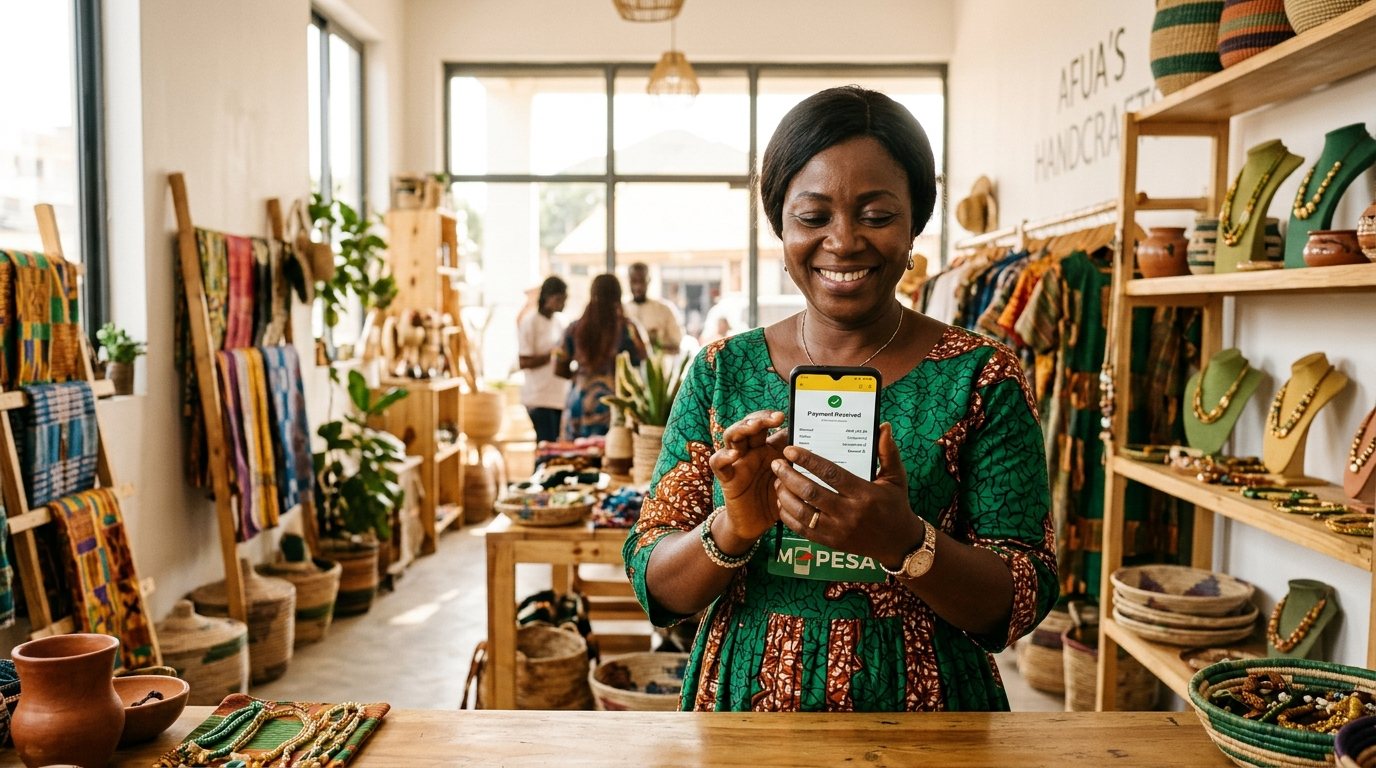
PayAngel supports three zero-transfer-fee payout rails across Africa and South Asia: Mobile Wallets (MTN MoMo, M-Pesa, Wave, Orange Money, bKash, UPI) for instant 24/7 delivery; Bank Deposits (NIP, IMPS, EFT) for large amounts, tuition, and formal records; and Cash Pickup for unbanked relatives who collect banknotes using ID and a private pickup reference.
Why Choosing the Right Payout Rail Impacts Cost, Speed, and Reliability
When sending money home from the United Kingdom, United States, Canada, Australia, or the Eurozone, how funds arrive matters almost as much as the exchange rate you lock in. A transfer intended for urgent pharmacy bills hits unnecessary delays if routed through a slow weekend bank clearing window, while a large semester tuition deposit can run into mobile wallet holding caps if sent to a phone wallet.
World Bank Remittance Prices data highlights why modern digital rails transformed diaspora finance: global remittances average 6.36% to send $200, Sub-Saharan Africa averages 8.46%, and traditional commercial banks average a staggering 14.99%. By contrast, mobile money corridors represent the lowest-cost benchmark globally at roughly 3.92%—and PayAngel drives upfront fees lower still with zero transfer fees and zero service fees across Mobile Money, Bank Deposits, and Cash Pickup.
Whether you send to West Africa, East Africa, Southern Africa, or South Asia, PayAngel displays the live FX rate and exact local payout before you confirm, as detailed in our Zero-Fee Transfers & Live Exchange Rates Guide.
- Zero transfer fee and zero service fee regardless of whether you select Mobile Wallet, Bank Deposit, or Cash Pickup
- Real-time rate visibility showing exact GHS, NGN, KES, UGX, XAF, XOF, TZS, RWF, MZN, ZAR, INR, or BDT payout upfront
- Direct integration into local instant clearing switches rather than slow multi-hop SWIFT chains
- Flexibility to switch payout rails per transfer inside the PayAngel mobile app
Side-by-Side Comparison: Mobile Wallets vs. Bank Deposit vs. Cash Pickup
Each of PayAngel's three payout methods solves a distinct practical problem for recipients across our 13 destination markets. Use the comparison matrix below to match your transfer purpose to the most efficient settlement rail.
| Comparison Factor | Mobile Money Wallets & UPI | Direct Bank Deposit (NIP / IMPS / EFT) | Cash Pickup |
|---|---|---|---|
| Typical Settlement Speed | Seconds to minutes (24/7/365) | Minutes (NIP/IMPS) to same/next business day (EFT/NEFT) | Minutes after transfer approval |
| Recipient Requirement | Active mobile wallet (e.g., MoMo, M-Pesa, Wave, bKash) or UPI ID | Commercial bank account + branch/IFSC/bank code | Valid government photo ID (no bank or smartphone wallet needed) |
| Best Transaction Size | Small to medium everyday family support (subject to wallet caps) | Medium to high-value payments (tuition, rent, property, savings) | Small to medium payouts in cash-dominant rural or urban hubs |
| Audit & Paper Trail | In-app SMS & wallet statement record | Formal bank statement entry for leases, visas, and invoices | Physical agent collection receipt |
| Weekend & Holiday Access | Fully operational 24/7 including public holidays | 24/7 on NIP/IMPS; business days only on standard EFT/BEFTN | Subject to local pickup branch/agent opening hours |
| Key Risk to Watch | Mistyping a single mobile digit or selecting wrong network | Incorrect IBAN/account number or wrong 11-char IFSC code | Sharing pickup reference publicly or misspelled recipient ID name |
Mobile Wallets: Instant 24/7 Reach Across Africa and South Asia
For daily family support, medical emergencies, market trading capital, and school upkeep, Mobile Money Wallets are PayAngel's fastest and most popular payout channel. Because funds settle directly onto the recipient's SIM-linked wallet or instant mobile payment rail—typically in seconds to minutes—relatives never need to commute to a bank branch or stand in pickup queues.
PayAngel connects directly into leading regional wallet networks: MTN MoMo, Telecel Cash, and AirtelTigo Money in Ghana; M-Pesa and Airtel Money in Kenya and Tanzania (plus Mixx by Yas and HaloPesa); MTN and Airtel Money in Uganda and Rwanda; MTN Mobile Money and Orange Money in Cameroon; Wave, Orange Money, Moov, and Free Money across Côte d'Ivoire and Senegal; M-Pesa, e-Mola, and mKesh in Mozambique; bKash and Nagad in Bangladesh; and UPI Instant Pay across India.
Sending to Ghana brings an added safeguard: qualifying monthly mobile wallet or bank transfers to Ghana automatically unlock PayAngel's free RemitCare Bronze Life & Hospitalisation Insurance in partnership with Sanlam Allianz (£0/$0 premium, providing 5,000 GHS life cover and 150 GHS/day hospitalisation support up to 7 days = 1,050 GHS). Read our dedicated RemitCare Embedded Insurance Guide for full eligibility terms.
Mobile wallets impose tier-based daily and maximum balance limits under local central bank KYC rules. For high-value family remittances or property expenses, check whether your recipient's wallet tier can accept the full local currency amount—or split between wallet and bank deposit.
Direct Bank Deposits: Formal Audit Trails for Tuition, Rent, and High Sums
When you need an official banking trail, higher transaction ceilings, or direct settlement into a savings or institutional account, Direct Bank Deposit is the strongest rail. PayAngel integrates directly with high-speed domestic bank clearing infrastructures—including Nigeria's NIP (NIBSS Instant Payment) for minute-level Nigeria NGN deposits, India's IMPS and NEFT rails, and South African EFT across FNB, Standard Bank, Absa, Nedbank, and Capitec in South Africa.
Bank deposits eliminate cash-out withdrawal fees that some mobile wallets charge when converting e-money into physical banknotes, and they generate formal account statements useful for university bursars, mortgage lenders, corporate suppliers, and visa sponsorship proof. If you are paying schools, clinics, or registered suppliers in Ghana specifically, you can also explore Direct-to-Merchant Remittances (D2MR) for zero-fee invoice settlements with instant PDF receipts.
| Destination Country | Instant Mobile / Digital Wallet Rails | Bank Deposit Settlement Rail | Cash Pickup Support |
|---|---|---|---|
| Ghana (GHS) | MTN MoMo, Telecel Cash, AirtelTigo Money | Direct Ghana Commercial Bank Credit | Yes + D2MR Merchant Pay |
| Nigeria (NGN) | Supported Nigerian Mobile Wallets | Instant NIP Bank Settlement | Yes |
| Kenya & Tanzania (KES/TZS) | M-Pesa, Airtel Money, Mixx by Yas, HaloPesa | Direct Local Bank Deposit | Selected corridors |
| Senegal & Côte d'Ivoire (XOF) | Wave, Orange Money, MTN MoMo, Moov, Free Money | Local UEMOA Bank Deposit | Yes (Senegal) |
| South Africa (ZAR) | Local Wallet Options | South African Bank EFT (FNB, Absa, Standard, Nedbank, Capitec) | Yes |
| India (INR) | UPI Instant Pay (GPay, PhonePe, Paytm, BHIM) | IMPS (24/7) & NEFT (Account + 11-char IFSC) | Digital-first bank & UPI |
| Bangladesh (BDT) | bKash & Nagad (24/7 MFS) | Bangladeshi Commercial Bank Deposit | Yes |
Cash Pickup: Supporting Unbanked Relatives & Critical Safety Rules
Although mobile money and digital banking have surged across Africa and South Asia, millions of elderly parents, rural agricultural workers, and relatives in low-connectivity zones still rely on Cash Pickup. PayAngel enables recipients without smartphones or active bank accounts to collect physical banknotes at authorized partner pickup counters within minutes of confirmation.
Because cash collected over the counter cannot be clawed back once disbursed, following strict pickup-reference safety rules is essential for both sender and recipient. Never treat a pickup reference number casually—anyone holding a matching fraudulent ID and your leaked reference code creates real security exposure.
- Match legal names character-for-character: The beneficiary name on your PayAngel transfer must match the recipient's original National ID or Passport exactly—never use nicknames or initials
- Keep the pickup reference strictly private: Share the transaction reference or PIN solely via a private one-to-one phone call or encrypted chat with the intended recipient—never in group chats or screenshots on social media
- Verify counter legitimacy and count cash discreetly: Recipients should collect cash only inside official partner locations, bring valid original photo ID, and verify total banknote counts before stepping away from the teller
- Understand irreversibility: Under ScamSmart rules, never use Cash Pickup to pay unknown online sellers, lottery claimants, or strangers—once cash is collected, PayAngel cannot reverse the transaction
Treat your Cash Pickup reference number like physical cash or a bank PIN. Never send a pickup reference to third-party middlemen, never share transfer confirmation screenshots publicly, and never send Cash Pickup to anyone you have not verified in real life. Learn more in our Security & Scam Protection Guide.
4-Step Decision Framework: Picking the Ideal Payout Method Every Time
Not sure which rail fits your next transfer? Run through this quick 4-step checklist inside the PayAngel app before finalizing your beneficiary details.
- Check recipient access: Does your relative actively use MTN MoMo, M-Pesa, Wave, bKash, or UPI? If yes, Mobile Wallet or UPI delivers fastest with zero bank queues.
- Verify urgency and day of the week: On weekends, evenings, or local bank holidays, pick Mobile Wallets, UPI, IMPS, or NIP bank rails rather than standard weekday EFT or NEFT clearing.
- Evaluate transaction size and documentation: For university tuition, hospital invoices, rent, or sums above local wallet caps, choose Direct Bank Deposit (or D2MR in Ghana for verified merchants).
- Use Cash Pickup strictly for unbanked recipients who prefer physical notes—and lock down the pickup reference code and exact legal ID spelling before confirming.
Tracking Payouts, Saving Beneficiaries, and Staying Protected
Every PayAngel transfer—whether routed to a mobile wallet, commercial bank account, or cash pickup desk—is protected by the Microsoft Zero Trust Model, end-to-end encryption, mandatory Two-Factor Authentication (2FA), and multi-jurisdiction licensing across the UK, US, Canada, Australia, and the EEA. You can monitor live delivery milestones in-app and save verified beneficiaries so you never mistype an IFSC, MoMo number, or IBAN again.
Ready to send? Follow our First Transfer & Referral Rewards Playbook to complete one-time KYC and earn uncapped £10 / $10 / €10 / CAD 10 / AUD 10 referral bonuses, or review our Security, Regulation & Scam Protection Guide.